The social dispensary
In Karembo, the HUMURA dispensary welcomes families, provides medical follow-up for children and serves as a meeting point with carers.
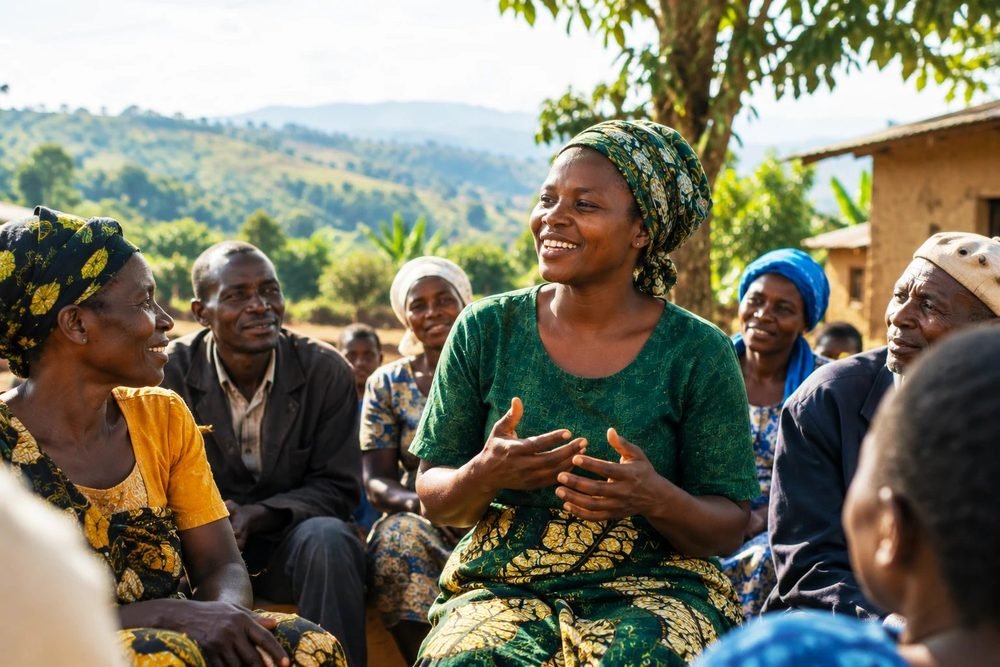
From its social dispensary in Karembo, HUMURA works with community health workers and international medical partners to fight child malnutrition, improve access to drinking water and care for children with heart disease.
HUMURA helps improve the population’s health through care, prevention and education, working with the Rwanda Ministry of Health and local and international organisations.
In Karembo, the HUMURA dispensary welcomes families, provides medical follow-up for children and serves as a meeting point with carers.
Volunteers trained through the national health programme, they identify children at risk, weigh and measure them every week, and keep the link with families who live far away.
For cases the district cannot treat alone, HUMURA relies on organisations specialised in nutrition and heart surgery.
Ngoma is one of the thirteen districts of Rwanda most affected by stunting. According to figures cited in 2018, 41% of Rwandan children under five were stunted, and the government has made this fight a national priority.
In the summer of 2018, HUMURA launched a community project in Karembo with APEF (Association pour la Promotion des Extraits Foliaires en nutrition), La Guilde and community health workers. Its principle: a leaf-based food supplement, leaf protein concentrate, which provides protein, vitamins, iron and calcium.
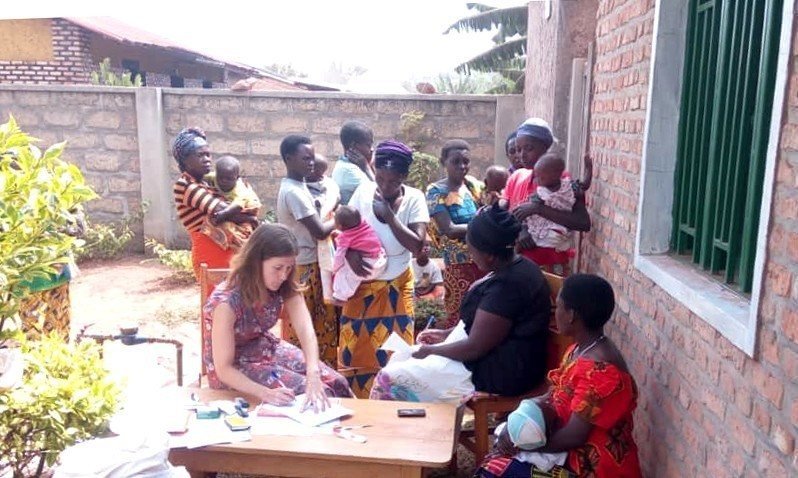
Health check for every child, deworming treatment, care for ongoing infections and a first week’s dose of the supplement.
Families return to the dispensary: weighing, arm circumference measurement, observations and a new dose for the week.
Nutrition information day, family testimonies and a workshop on making the concentrate.
The community health worker records each child’s weight and mid-upper arm circumference.
Parents described livelier children with a better appetite. The supplement was given free of charge thanks to a donation of 10 kg of alfalfa concentrate from APEF.
These results come from three weeks of field follow-up with 29 children, with no control group. They are not a clinical study.
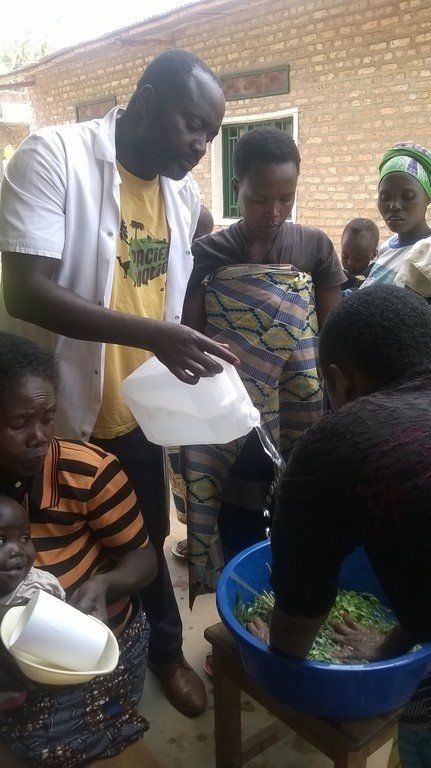
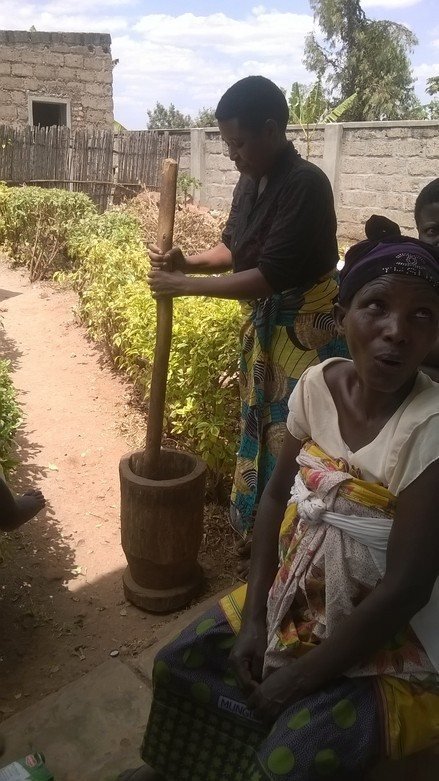
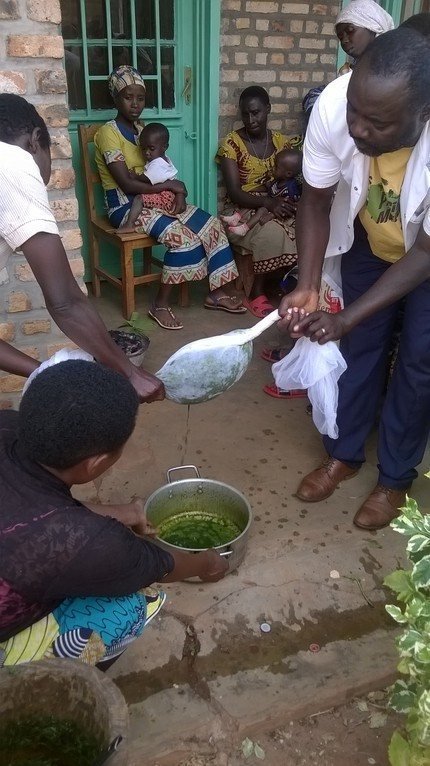
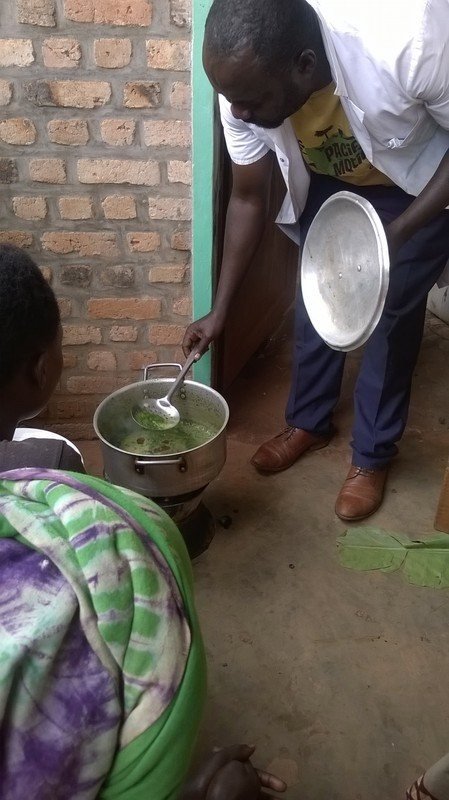
The concentrate can be made locally from plants of the region: amaranth, spinach, moringa leaves, cowpea. Families learned the four steps at a workshop at the dispensary.
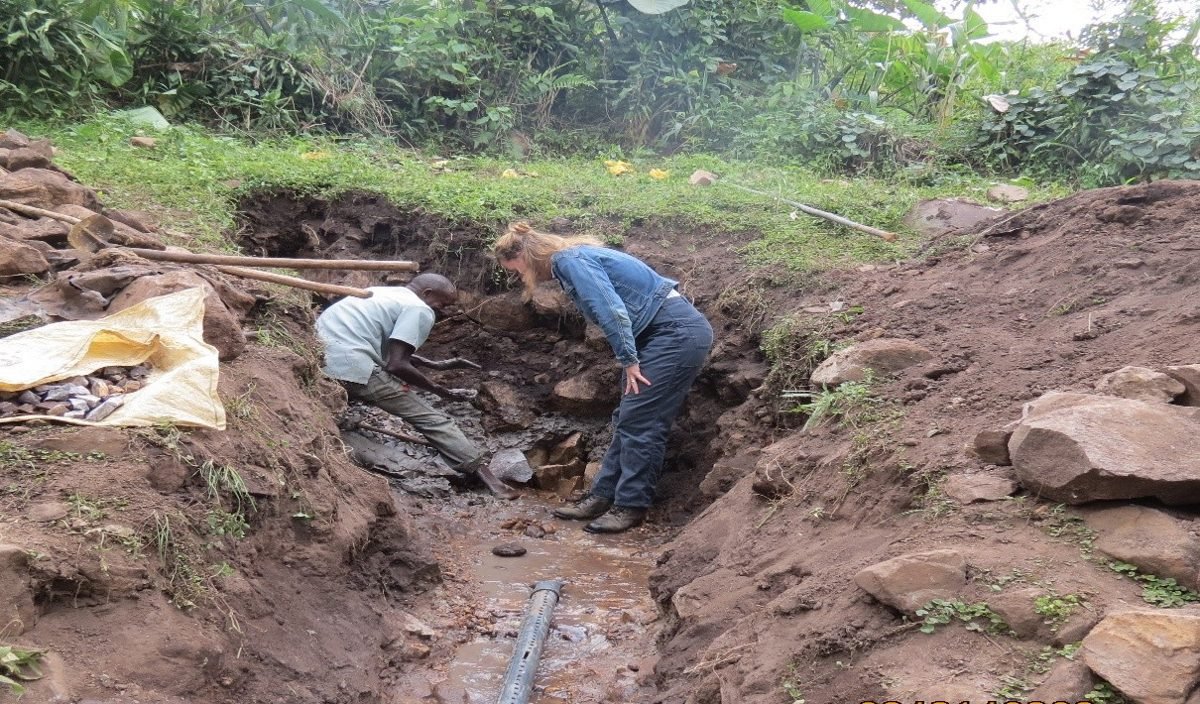
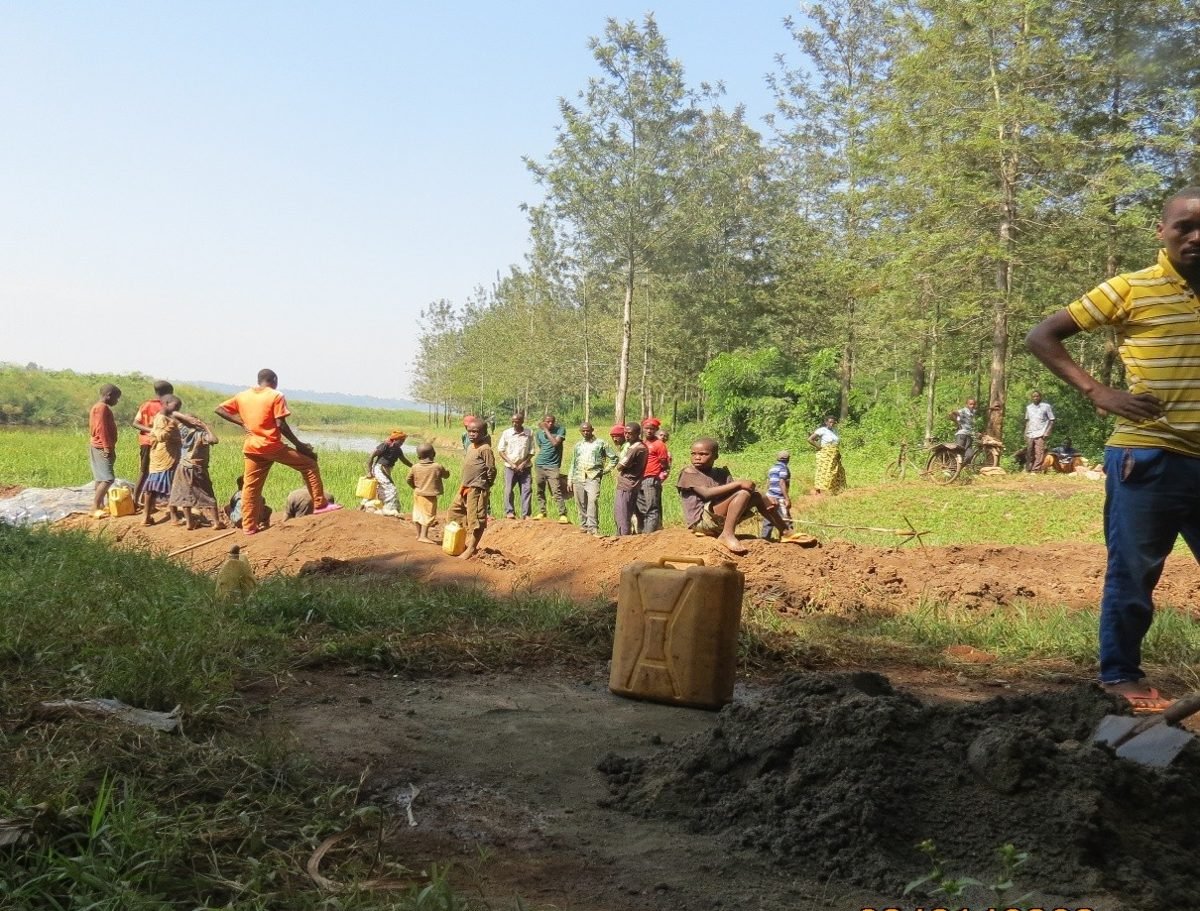
Safe water is the first protection of children’s health. HUMURA has developed three drinking-water springs in Ngoma District: the two Kizanye springs in Karembo sector and the Nyakagezi spring in Mugesera sector.
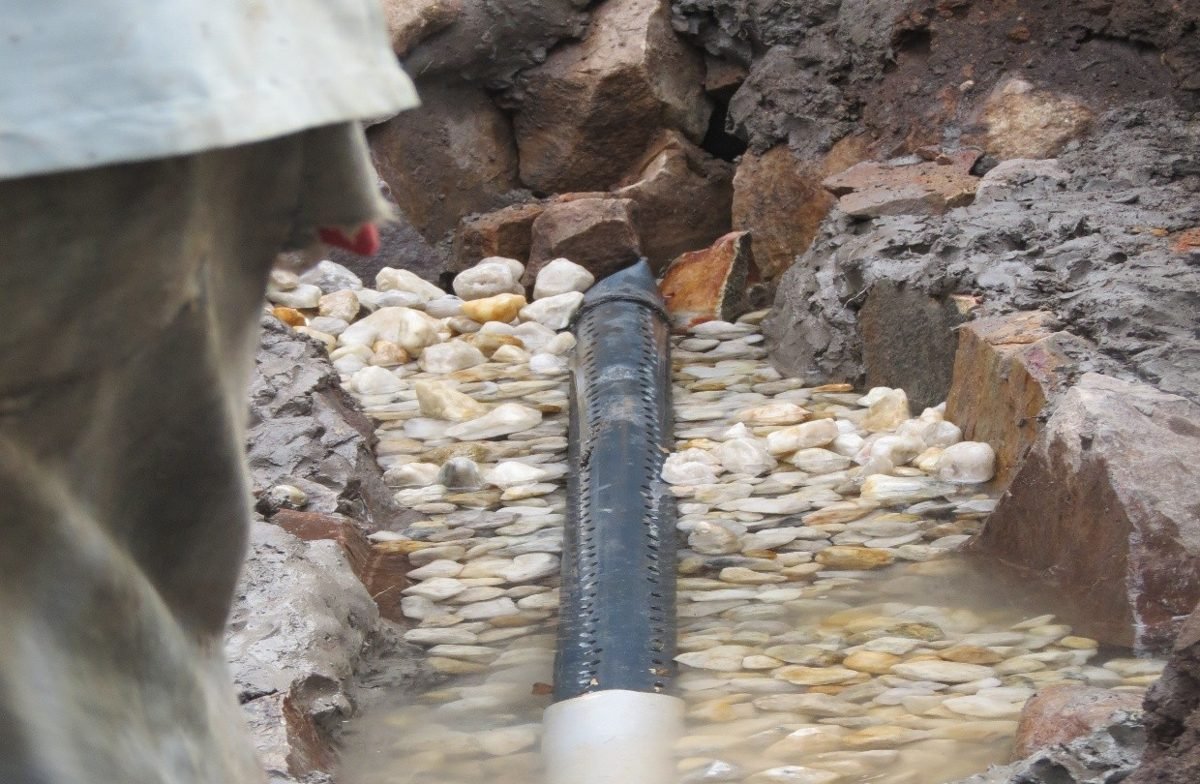
Each spring was capped and protected, then connected to a water point where families come to collect water.
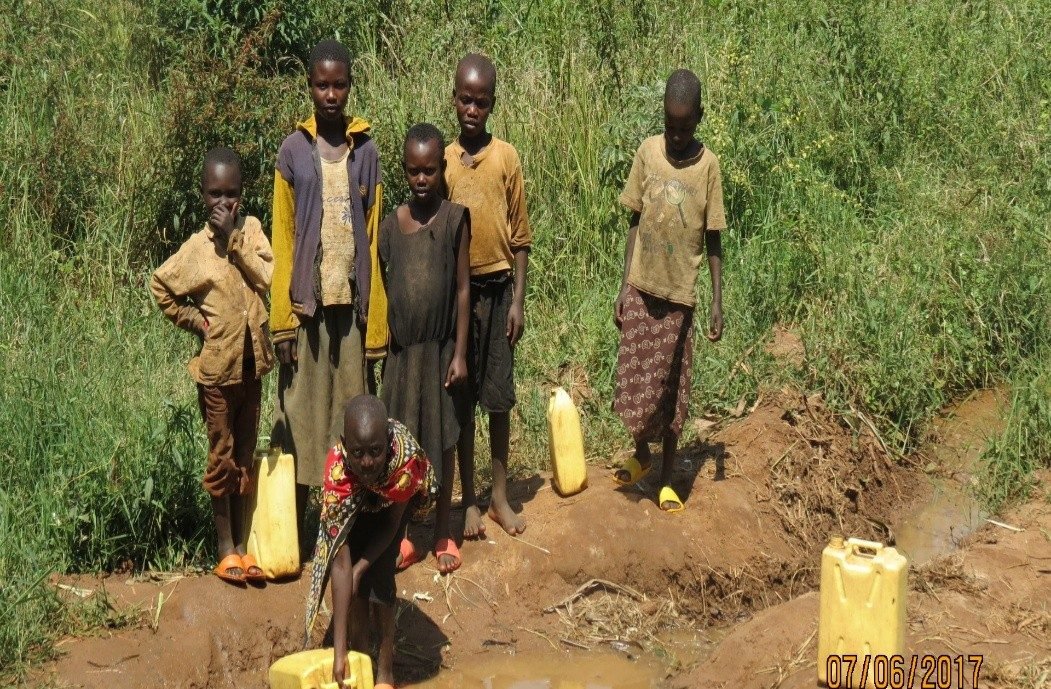
Capping and protection of the two Kizanye springs (Karembo) and the Nyakagezi spring (Mugesera).
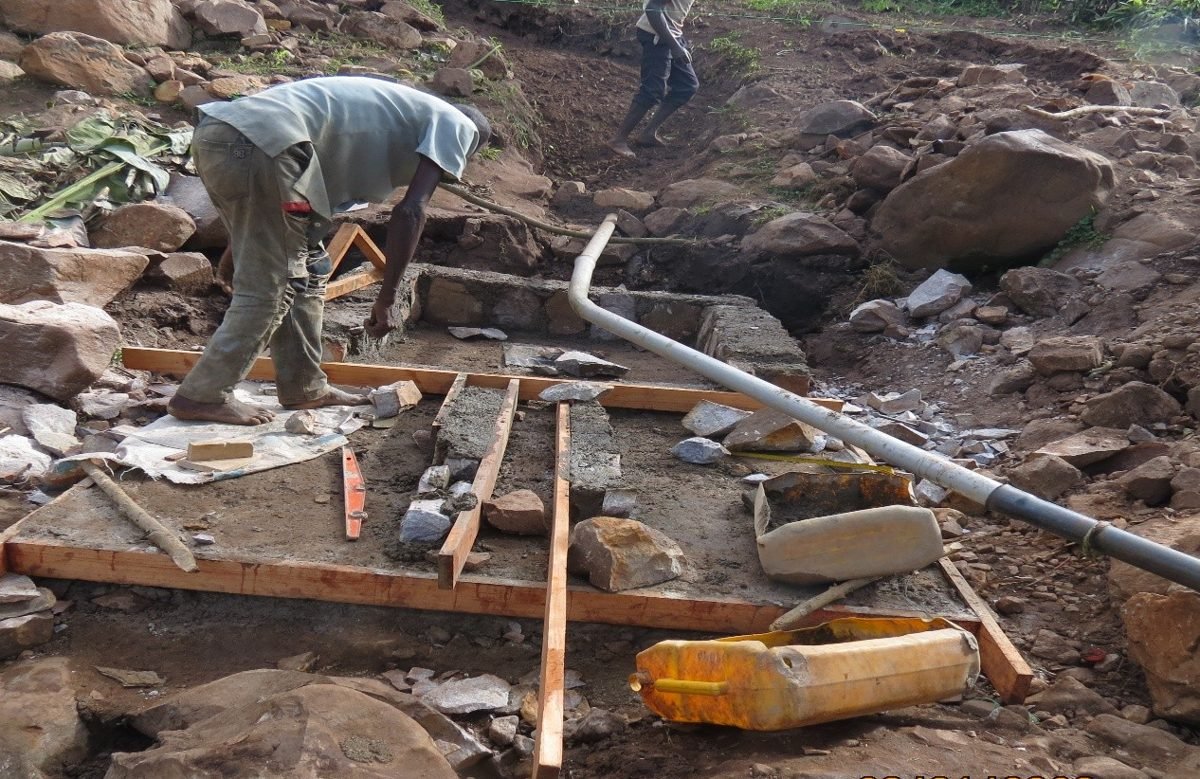
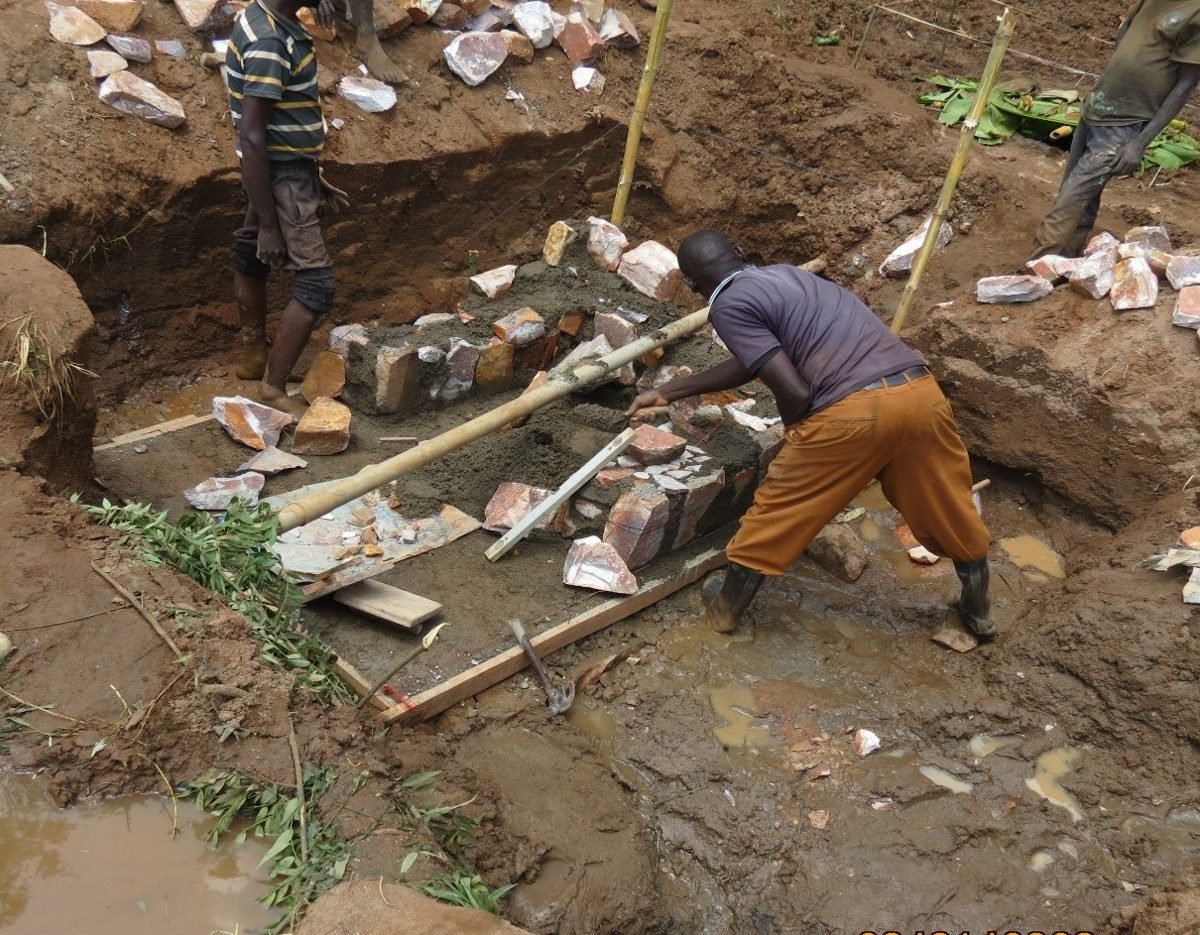
A water point built for each spring, as close as possible to families.
A structure that collects the captured water before it is distributed.
Digging the trench and laying the pipeline.
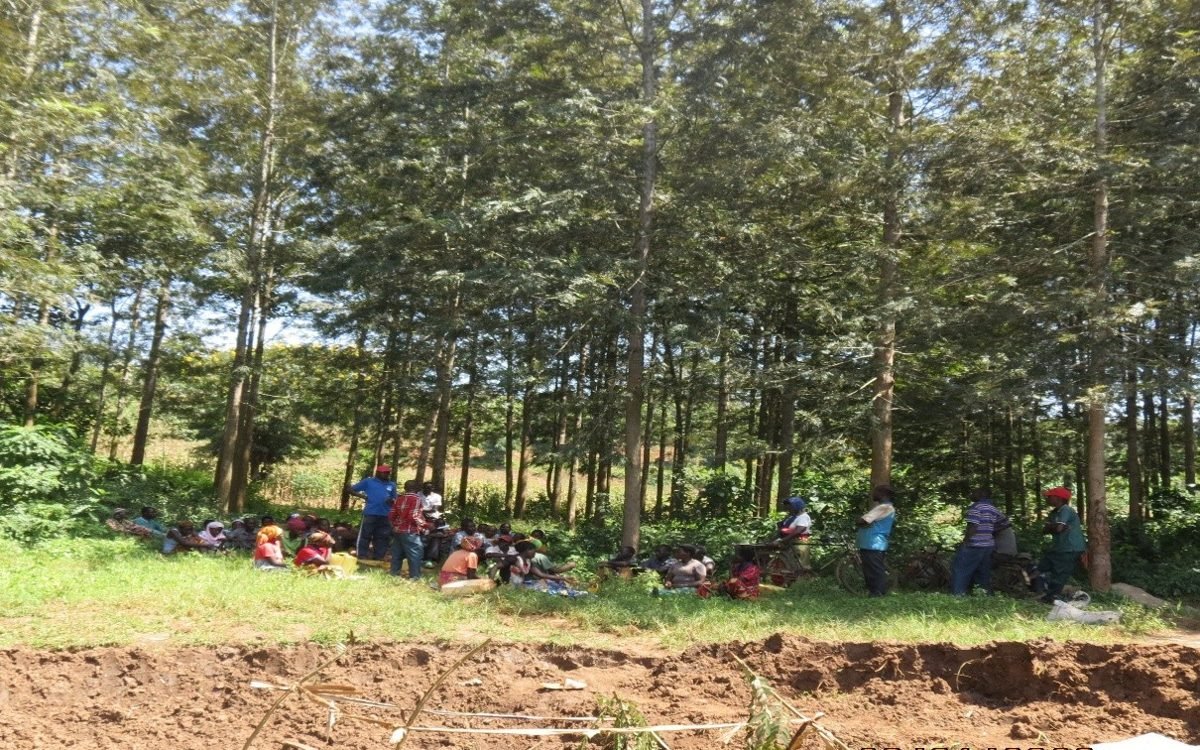
Residents take part in the community works: they themselves carried the building materials to the Nyakagezi spring, and a community meeting followed the works.
In Rwanda, paediatric cardiologists are few and many families cannot afford an operation. HUMURA partnered with Mécénat Chirurgie Cardiaque Enfants du Monde, which enables children with heart defects to have surgery in France when it is not possible in their own country.
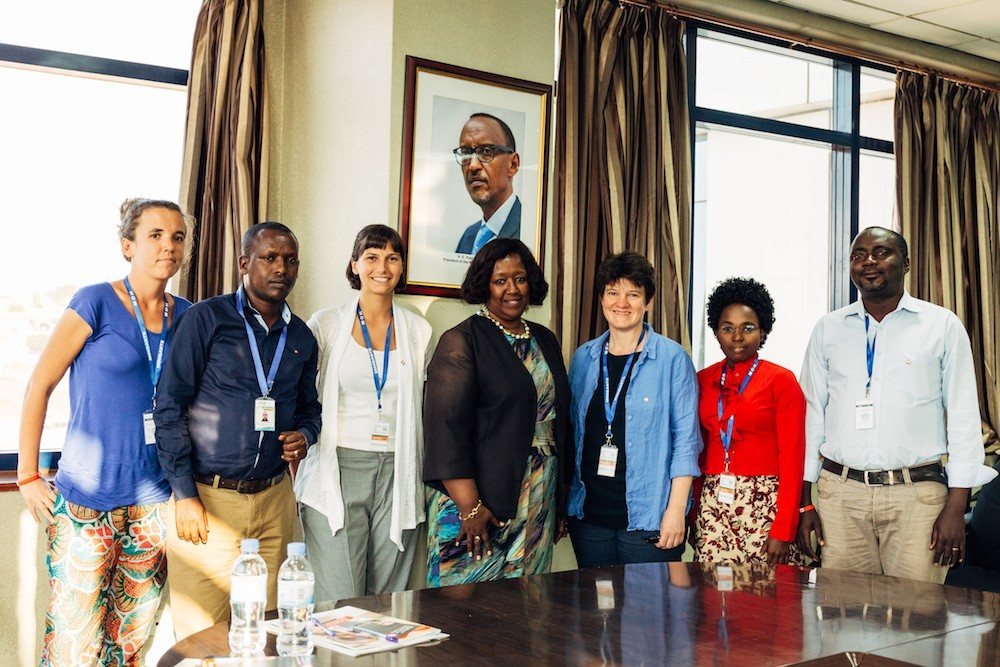
A medical team comes to Rwanda. Around fifty children are examined in Kigali, Butare and Karembo, together with the country’s paediatric cardiologists.
17 children, aged 7 months to 16 years, travel to France. 16 have surgery, in Paris, Angers, Bordeaux and Nantes.
Each child is seen by a paediatric cardiologist in Rwanda one or three months after surgery. HUMURA works with parents to make sure appointments are kept.
“The key lies in one very simple word: helping one another.”A partner from Vivo Cuore, Canada
Out of respect for the families, we publish neither the names nor the medical records of the children.
It is a food supplement made from leaves: they are washed, pounded, the juice is extracted and then heated to coagulate the proteins. It mixes easily into a child’s porridge.
29 children from the Karembo area, aged 6 months to 6 years, identified by community health workers as suffering from acute or chronic malnutrition.
In Ngoma District: the two Kizanye springs in Karembo sector and the Nyakagezi spring in Mugesera sector.
Because Rwanda still has few specialists and little equipment for paediatric heart surgery. Mécénat Chirurgie Cardiaque covers the operation when it cannot be done locally.
By donating, or by becoming a partner. Transport, passports and follow-up for the children remain the hardest needs for families to fund.
Your support helps HUMURA follow the children, guide families through the paperwork and prepare local production of nutritional supplements.
Sources: report on the launch of the community project against malnutrition, HUMURA, APEF and La Guilde, August 2018; activity report on the partnership between HUMURA and Mécénat Chirurgie Cardiaque, July 2017; progress report on the development of three drinking-water springs, Karembo and Mugesera, 2023.